Thursday, September 5, 2013

5 Money-Saving Questions to Ask Before Your Doctor Writes a Prescription


You know the visit is almost over when your doctor picks up her pen and prescription pad. But before you leave the office, dont forget to bring up this important medical issue: the cost of drugs. If you can't afford to take a medication, it can't benefit your health. And there are many ways to save money on medicine even if you have good insurance. Here are five questions to ask your doctor—and yourself—to save money on prescriptions.
1. Are there any lifestyle changes I can try before starting a drug regimen?
"For many chronic medical problems, treatment should start with lifestyle changes," says Edward Jardini, MD, the author of How to Save on Prescription Drugs: 20 Cost-Saving Methods and a family physician at a private practice in Templeton, Calif., where he was formerly the chair of the Pharmacy and Therapeutics Committee and chief of family practice. One of Dr. Jardini's patients, Ernesto (not his real name) was 49 when he developed diabetes in 1999. Instead of going on drugs, Ernesto decided to try losing weight first. He dropped 10 pounds in three months, and was down to 232 pounds. Even that small weight loss stabilized his blood-sugar levels, and his diabetes has been undetectable—and he has been drug-free—ever since.

Buy Drugs on the Internet Safely
internet-mouse-prescriptions
Shopping online could help you save  Read more
"If the patient asks [about diet and exercise], the doctor knows, 'Here's someone who's willing to do something besides swallow a pill,'” says Dr. Jardini.

Of course, though healthy eating and exercise can help many conditions, they cant always cure every medical problem or replace a drug regimen. Plus, they can be tough to stick to or integrate with your job or other responsibilities. If you decide you want to start with lifestyle changes, set a time frame (say, three months) with your doctor to see if its working; if its not, then you may want to reconsider medication. Some conditions may require medication from the outset, which can then be reduced if lifestyle changes have enough of an effect.
View the original article here


Modern-Day Health Woes, Solved


There was a time, not too long ago, when a phone was just a phone, sky-high heels weren't sold in every mall, and you had to catch your favorite TV show when it actually aired. There's no going back—and who wants to?—but our contemporary world is bringing its share of health hazards that were once either rare or unheard-of. Check out where our text-happy, music-obsessed, stiletto-loving lives can lead—and what you can do to make these new risks a thing of the past.
Get the latest health, fitness, anti-aging, and nutrition news, plus special offers, insights and updates from Health.com!

View the original article here

Friday, August 23, 2013

Press Here: Reflexology for Relief


Natural remedies

By Susan Hall
Feeling sluggish? Fighting off a cold? These simple reflexology moves from naturopathic physician Leah Sherman will help fix what ails you.

Sleep tight

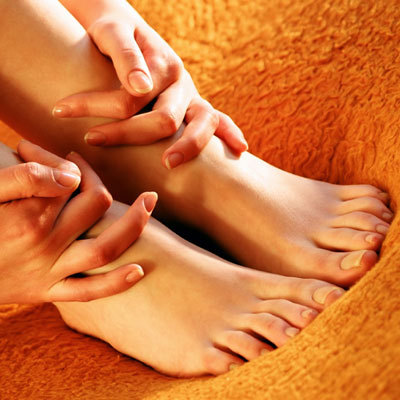
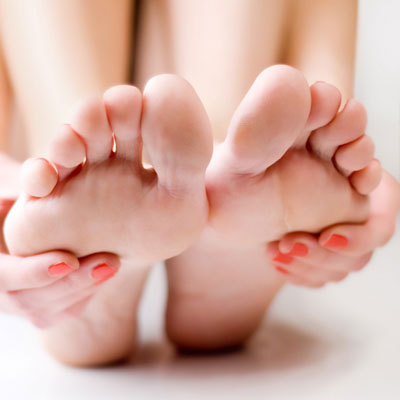
For a more restful sleep, apply pressure to both big toes. The point on the outside of your big toe, just below the tip, corresponds with the pineal gland, which regulates the sleep hormone melatonin, Sherman explains. Rubbing the rest of the big toe releases soothing endorphins, helping you relax

Tuesday, August 20, 2013

Top 10 Myths About Safe Sex and Sexual Health

By Amanda MacMillan


You know the best place to get information about your sexual health is from your doctor, but for whatever reason—convenience, privacy, or anxiety and urgency—you may one day find yourself searching the Internet for answers to intimate and important questions.
It's great to learn more about your body and your choices, but explore those search results with caution: A recent Stanford University study on adolescent reproductive health found that health websites are often riddled with errors, omissions, and outdated advice, and that it's not always easy to find the truth about common myths believed by many teenagers (and probably many adults as well!).
We spoke with Dr. Sophia Yen, MD, lead researcher of the study and adolescent medicine specialist at Lucile Packard Children's Hospital in Palo Alto, Calif., to get the facts behind these top sexual health misconceptions.

1. MYTH: You can catch an STD from a toilet seat

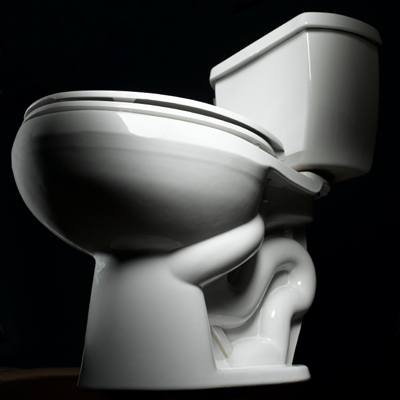
Sexually transmitted diseases or infections can't live outside the body for a long period of time—especially not on a cold, hard surface like a toilet seat. Plus, they aren't present in urine, anyway (it's usually sterile), so the chances of you catching one from whoever used the bathroom before you are slim to none, says Dr. Yen.

What you do need to worry about, however, is what may seem like benign skin-to-skin or mouth-to-mouth contact. Kissing, for example, can spread herpes (and deeper kissing can even spread oral gonorrhea and chlamydia, Dr. Yen warns), while skin rubbing together can pass infections such as genital warts, herpes, scabies, and pubic lice.

2. MYTH: You can't get pregnant the first time you have sex


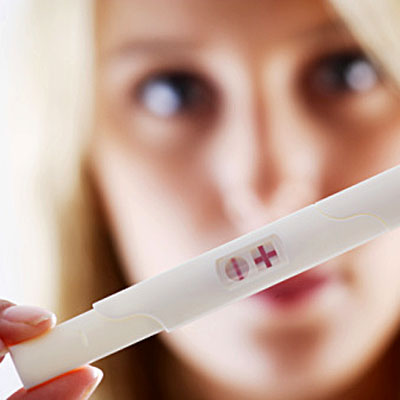
It may seem like the odds are in your favor, but there's no reason to risk it: You are just as likely to get pregnant the first time you have sex as any other. "In fact, some statistics say that 20% of people get pregnant within a month of starting sex," says Dr. Yen.


3.MYTH: You can't get pregnant during your period

4.MYTH: Women need a Pap smear when they turn 18

5.MYTH: The "morning after" pill causes an abortion

6.MYTH: The "morning after" pill is not available to minors without a prescription

7.MYTH: Birth control pills make you gain weight

8.MYTH: IUD birth control is not safe for use in adolescents

09.MYTH: If you get the HPV shot you're safe from cervical cancer

10.MYTH: Douching is a healthy way to clean the vagina


View the original article here

Sunday, August 18, 2013

Am I Normal 'Down There'?

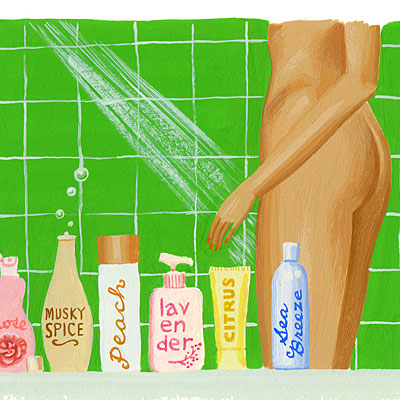
Is it OK to use scented body wash on my private parts?

Nope. The rest of your body may be very happy smelling like passion-fruit-verbena-berry raindrops, but the delicate skin in your genital area can’t take it.

Much like douches, scented bath products contain chemicals that can be irritating to the urethra and vagina and can increase your risk of urinary tract and yeast infections. Stick to plain, unscented soap and water, and wash the outer part of the vulva only.

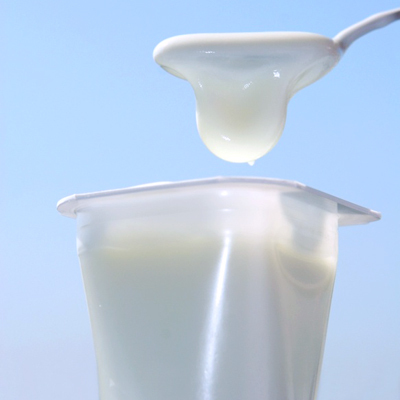
Can yogurt cure a yeast infection if I put it "inside"?

While yeast is naturally present in your vagina (in the form of the fungus Candida albicans), an overgrowth of it is a problem and needs to be treated. If you notice a change in the color, amount, or odor of your vaginal discharge, or if you have increased vaginal itching or irritation, contact your gynecologist before reaching for the yogurt tub. Only she can diagnose a yeast infection and prescribe an antifungal medication (some can be purchased over-the-counter), which is the preferred treatment.

There’s no solid evidence that eating yogurt can prevent yeast infections. However, if you need temporary relief from itching and irritation while you’re waiting for an infection to be diagnosed or for the meds to take effect, it can’t hurt to try a little of the plain variety; just dab it on a tampon to insert.

I’ve had several yeast infections recently. Is my diet to blame? 

A food trigger might sound reasonable, but this down-there issue has no connection to your meal choices. If you’re having sex with the same partner, there are other factors to consider.

Too-tight or noncotton underwear can create a breeding ground for yeast, as can harsh cleansers. (Try a mild, pH-neutral soap like Dove.) And some medications, including antibiotics and birth control pills, can disrupt the balance of bacteria. Talk to your doctor about other alternatives or look for a probiotic to help counteract the antibiotics.

A note about over-the-counter yeast-infection treatments: Studies show that a seven-day course may be more effective than a three-day. Whatever you choose, see a doc if the infection keeps coming back.


View the original article here
Saturday, August 17, 2013

Turn Your Bedroom Into a Sleep Haven

Turn Your Bedroom Into a Sleep Haven

It's the cardinal rule of sleep hygiene: Your bedroom should be a calming, comfortable haven—designated for sleep and sex only. The more clutter and distractions you're up against at night, the harder it will be to transition into sleep.

Make your room dark

Dim the lights while you get ready for bed, or turn off bright overhead lamps and switch to a soft, bedside lamp. Your body is programmed to sleep when it's dark, so you can encourage that rhythm by easing into nighttime. (Video: Watch why your body needs darkness at night.)

Light inhibits the secretion of melatonin, a hormone that naturally promotes sleep. "Even if you doze off, light can be detected through your eyelids—and your brain won't produce melatonin if it's confused between night and day," says Joyce Walsleben, PhD, associate professor at the New York University School of Medicine. "You want as much darkness in your bedroom as you can handle without tripping over things."

Keep your room dark

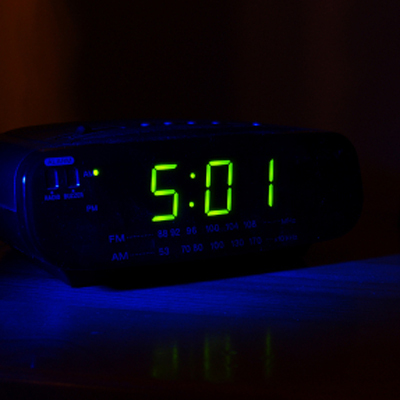
Hide digital clocks and glowing electronics from view. Put a night-light in your hallway or bathroom in case nature calls at 2 a.m.; that's better than turning on a ceiling light, which would disrupt melatonin levels. And if street lamps or moonlight shines in from outside, consider installing heavy window shades or wearing a dark sleep mask.

Keep your room cool

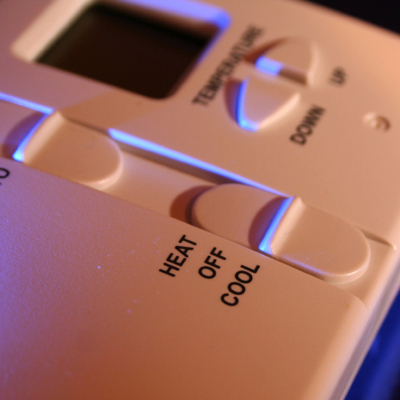
Your body temperature naturally drops as you drift into sleep, so cooling down your bedroom can jump start the process and make it easier to doze off. Most experts advise setting your thermostat 5° to 10° lower than your average daytime temperature.

"It's different for every person, but your bedroom should probably be under 70°," says Walsleben. Menopausal women experiencing hot flashes—or those who like to bundle up in blankets—may want to aim even lower.

Keep your room quiet

If your bedroom is victim to unwelcome sounds of ambulances, catfights, or whipping winds, a thick rug and heavy blinds might help buffer the noise. If not, try a white noise machine or soothing CDs that can drown out disruptions, or even earplugs to muffle the sound completely. If you do fall asleep to music, use a player with a "sleep" function that can shut down automatically after 30 or 60 minutes, recommends William C. Dement, MD, professor of psychiatry at Stanford University and author of The Promise of Sleep. As your body transitions through different stages of sleep, unexpected noise may wake you during shallower cycles.

Keep your room calm

After you've achieved these conditions, get rid of anything stimulating that distracts from the room's main purposes: sleep and sex. That means no treadmill, no television or computer, and no reminders of anything stressful. Adding personal mementos, calming color schemes, and soothing sights and sounds—like chronic pain patient Patricia Skiba's rock garden and water fountain, for example—will also make your bedroom a more inviting place to rest and relax.
These are a few of the most common problems you may experience while taking a sleep medication, and what you can do to avoid them.


View the original article here
Secret Health Fears

Our secret health fears


In public surveys, Americans consistently place cancer, heart disease, obesity, and diabetes at the top of their list of health concerns. It’s not surprising that people are worried about these epidemic conditions, but there are plenty of more personal (and less rational) health fears that nag at us every day—yet seldom turn up in surveys.

The Internet certainly hasn’t helped quiet these fears. Recent research about so-called cyberchondria suggests that the Web has a way of convincing people that minor symptoms are potentially lethal. The staff at Health.com may be indirectly responsible for the spread of cyberchondria—but we also suffer from it. In this slideshow, our staff members describe their secret health fears.


Rosanne Lufrano


The fear: Contaminated drinking water. Ever since the nineties, when bottled water burst onto the scene, I’ve eyed tap water with fear and suspicion. I won’t even drink unfiltered tap water from my own home; I use a Brita pitcher.

Reality check: Rosanne’s fear isn’t that irrational. In 2008, the Associated Press reported that a “vast array of pharmaceuticals” (including antibiotics, anticonvulsants, and sex hormones) had been discovered in the drinking water of at least 46 million Americans. (The unmetabolized drug residues made their way from humans to wastewater and into reservoirs and watersheds.) The drug amounts are so tiny as to be harmless in any one dose, but some experts are concerned about the cumulative exposure.

View the original article here